Graduate Schools
- PhD, University of Denver (2016)
- MEd, Loyola University Chicago (2011)
Undergraduate School
- BA, Northwestern University (IL) (2006)
Residency
- Dartmouth-Hitchcock Medical Center Program, Psychology (2016)
Fellowships
- Dartmouth-Hitchcock Medical Center Program, Psychology (2017)
Languages
EnglishDepartment
Psychiatry-Other CI ServicesProfessional Titles
- Child & Adolescent Psychologist, Denver Health Medical Center
- Assistant Professor, Department of Psychiatry at University of Colorado School of Medicine
Publications
- Barnett ER, Cleary SE, Butcher RL, Jankowski MK. Children's behavioral health needs and satisfaction and commitment of foster and adoptive parents: Do trauma-informed services make a difference?. Psychol Trauma. 2019 Jan;11(1):73-81. PubMed PMID: 29723028
- Yoon E, Chang CT, Kim S, Clawson A, Cleary SE, Hansen M, Bruner JP, Chan TK, Gomes AM. A meta-analysis of acculturation/enculturation and mental health. J Couns Psychol. 2013 Jan;60(1):15-30. PubMed PMID: 23163612
Professional Memberships
- American Psychological Association (APA), Member
- National Register of Health Service Psychologists, Credentialed Health Service Psychologist
- Association of Behavioral and Cognitive Therapies (ABCT), Member
Practice Locations
Denver Health777 Bannock St
Denver, CO 80204
303-436-6000
Hospital Affiliation
- Denver Health Medical Center
Specialty Information
Specialties- Certified Therapist, TF-CBT, Specialized Training (2017)
- Certified Therapist, AF-CBT, Specialized Training (2022)
- In-House Trainer, AF-CBT, Specialized Training (2023)
- National Trainer, Alternatives for Families: A Cognitive Behavioral Therapy (AF-CBT), Specialized Training (2025)
- National Trainer, Trauma-Focused Cognitive Behavioral Therapy (TF-CBT), Specialized Training (2026)
- Mental Health and Behavior - Anxiety
- Mental Health and Behavior
- Mental Health and Behavior - Depression
- Mental Health and Behavior - Grief and loss
- Mental Health and Behavior - Post-Traumatic Stress Disorder
- Mental Health and Behavior - Trauma
- Mental Health and Behavior - Trauma / PTSD
- Child Abuse and Neglect
Clinical Interests
Anxiety, PTSD, childhood trauma, early intervention and prevention, parent support training.
Care Philosophy
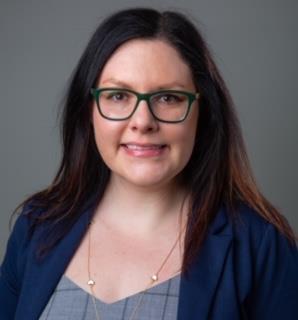
Dr. Cleary specializes in working with children, adolescents and their families who are recovering from the experience of trauma. Her mission and vision as a psychologist is to understand the impact of traumatic experiences on individuals' development across the lifespan, and to help aid in recovery from these experiences through the use of evidence-based practices and strengths-based positive psychology.
Anxiety, PTSD, childhood trauma, early intervention and prevention, parent support training.
Care Philosophy
Dr. Cleary specializes in working with children, adolescents and their families who are recovering from the experience of trauma. Her mission and vision as a psychologist is to understand the impact of traumatic experiences on individuals' development across the lifespan, and to help aid in recovery from these experiences through the use of evidence-based practices and strengths-based positive psychology.
Personal Interests
Dr. Cleary is a Certified Therapist and National Trainer in Trauma-Focused Cognitive Behavioral Therapy (TF-CBT) and Alternatives for Families: A Cognitive Behavioral Therapy (AF-CBT). Dr. Cleary is passionate about training, implementation, and dissemination of evidence-based practices (EBTs) in order to increase access to high-quality care. Dr. Cleary enjoys consulting on topics related to the study and treatment of childhood trauma, working with high-conflict and/or divorced families, trauma-informed care, the intersection of psychology and medical ethics, and clinical supervision/teaching. Dr. Cleary is also an advocate for colleagues and is the incoming Co-Chair for the Provider Engagement Committee (PEC) at Denver Health, focusing on improving retention and decreasing burnout for medical staff working in the public health setting.
Volunteer Activities
University Health Kansas City (formerly Truman Medical Centers) - Medical Ethics Committee, Psychology Department Member (2019 - 2021); American Psychological Association (APA), Internship Training Site Visitor Volunteer (2021 - 2024); Colorado Psychological Association (CPA), Legislative Advocacy Committee (2021 - 2024); Denver Health, Provider Engagement & Well-Being Committee, (2025 - present); American Psychological Association (APA), Division 37, Society for Child & Family Policy & Practice, Section on Child Maltreatment, Membership Chair (2026 - present).
Public Speaking
Yes
Childhood trauma, trauma-informed care, evidence-based treatments, working with high-conflict and/or divorced families, best practices in clinical supervision/training and related topics, peer mentorship, provider engagement and well-being.
Dr. Cleary is a Certified Therapist and National Trainer in Trauma-Focused Cognitive Behavioral Therapy (TF-CBT) and Alternatives for Families: A Cognitive Behavioral Therapy (AF-CBT). Dr. Cleary is passionate about training, implementation, and dissemination of evidence-based practices (EBTs) in order to increase access to high-quality care. Dr. Cleary enjoys consulting on topics related to the study and treatment of childhood trauma, working with high-conflict and/or divorced families, trauma-informed care, the intersection of psychology and medical ethics, and clinical supervision/teaching. Dr. Cleary is also an advocate for colleagues and is the incoming Co-Chair for the Provider Engagement Committee (PEC) at Denver Health, focusing on improving retention and decreasing burnout for medical staff working in the public health setting.
Volunteer Activities
University Health Kansas City (formerly Truman Medical Centers) - Medical Ethics Committee, Psychology Department Member (2019 - 2021); American Psychological Association (APA), Internship Training Site Visitor Volunteer (2021 - 2024); Colorado Psychological Association (CPA), Legislative Advocacy Committee (2021 - 2024); Denver Health, Provider Engagement & Well-Being Committee, (2025 - present); American Psychological Association (APA), Division 37, Society for Child & Family Policy & Practice, Section on Child Maltreatment, Membership Chair (2026 - present).
Public Speaking
Yes
Childhood trauma, trauma-informed care, evidence-based treatments, working with high-conflict and/or divorced families, best practices in clinical supervision/training and related topics, peer mentorship, provider engagement and well-being.